
Introduction
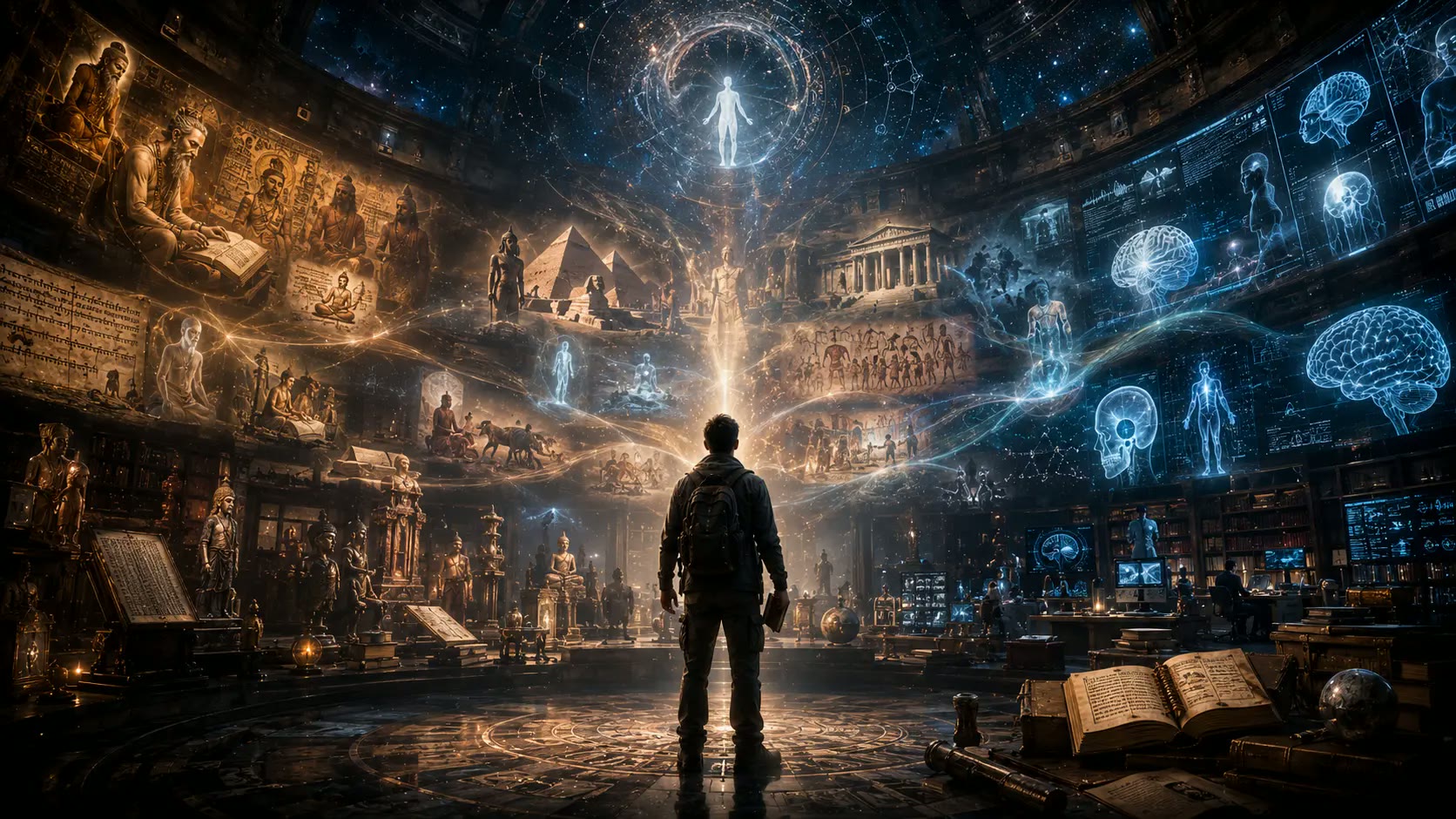
The subject of ghosts and spirits is one of the oldest mysteries of human civilization. For thousands of years, nearly every culture in the world has contained accounts of souls, existence after death, subtle realms, and supernatural experiences.
India is no exception. The Vedas, Upanishads, Puranas, Tantric texts, and various folk traditions contain numerous references to such phenomena.
However, in the modern age, an important question arises: do ghosts and spirits actually exist, or are they merely illusions created by the human mind, mental disorders, or psychological experiences?
Before attempting to answer this question, it is necessary to understand where the fundamental assumptions of Indian spiritual traditions and modern science differ.
The Fundamental Difference: Consciousness First or Matter First?
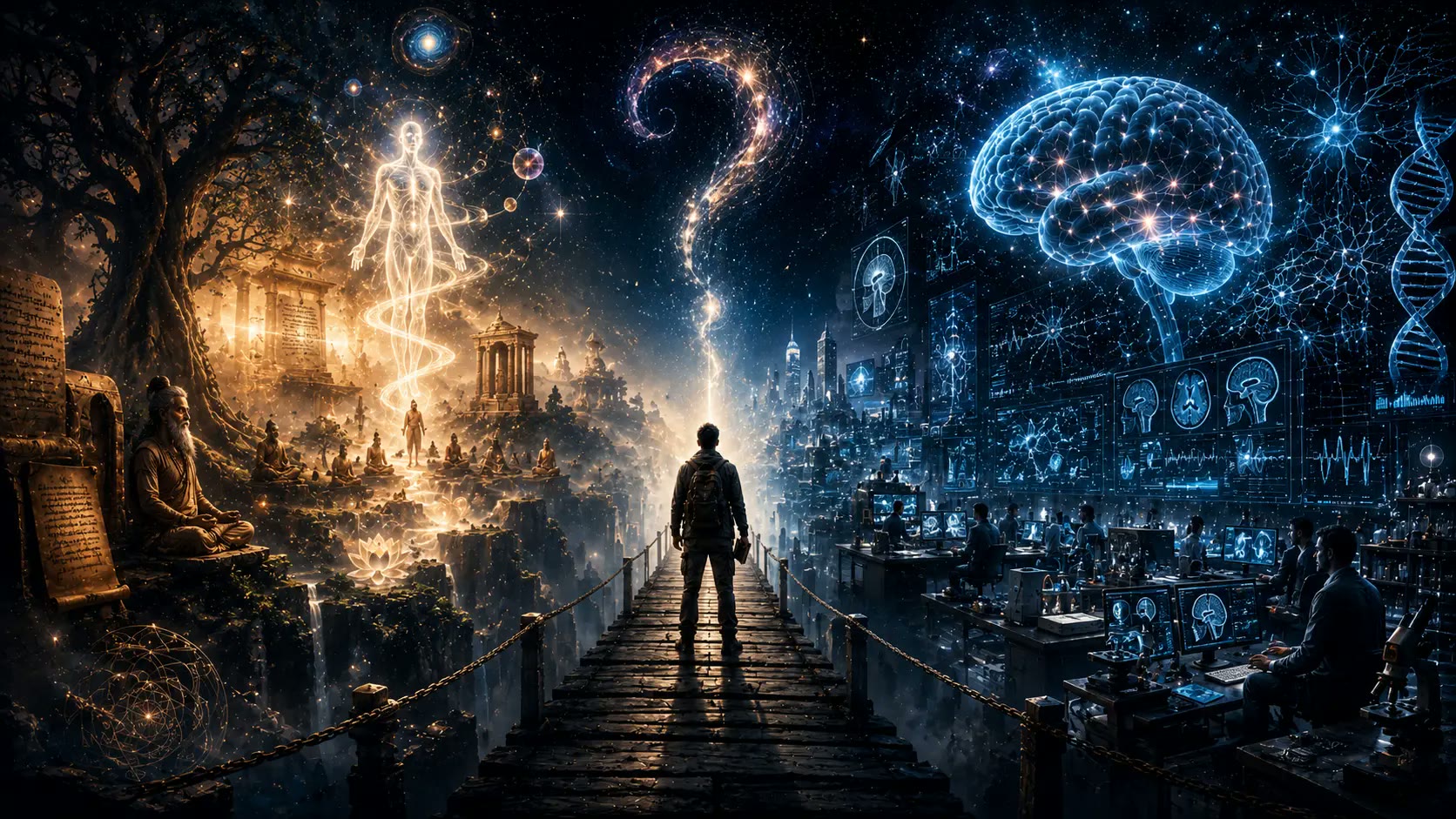
The foundation of Indian philosophy is that consciousness (Atman) is the primary reality, while the physical body is merely its instrument.
According to the Upanishads, Vedanta, and the Bhagavad Gita, the body changes and eventually perishes, but the soul is eternal and indestructible. In this view, consciousness does not depend on the body; rather, the body serves as a medium through which consciousness is expressed.
Modern science, by contrast, generally regards the human body, and especially the brain, as primary. Thoughts, emotions, memories, and consciousness are commonly understood as being associated with complex biological processes occurring within the brain.
This is where the fundamental divergence between the two perspectives begins. If consciousness exists independently of the body, then the possibility of its continued existence after death remains open. If consciousness is nothing more than a product of brain activity, then it should cease when the body dies.
The entire debate surrounding ghosts, spirits, and life after death ultimately rests upon this question.
What Does Ayurveda's Bhutavidya Teach?
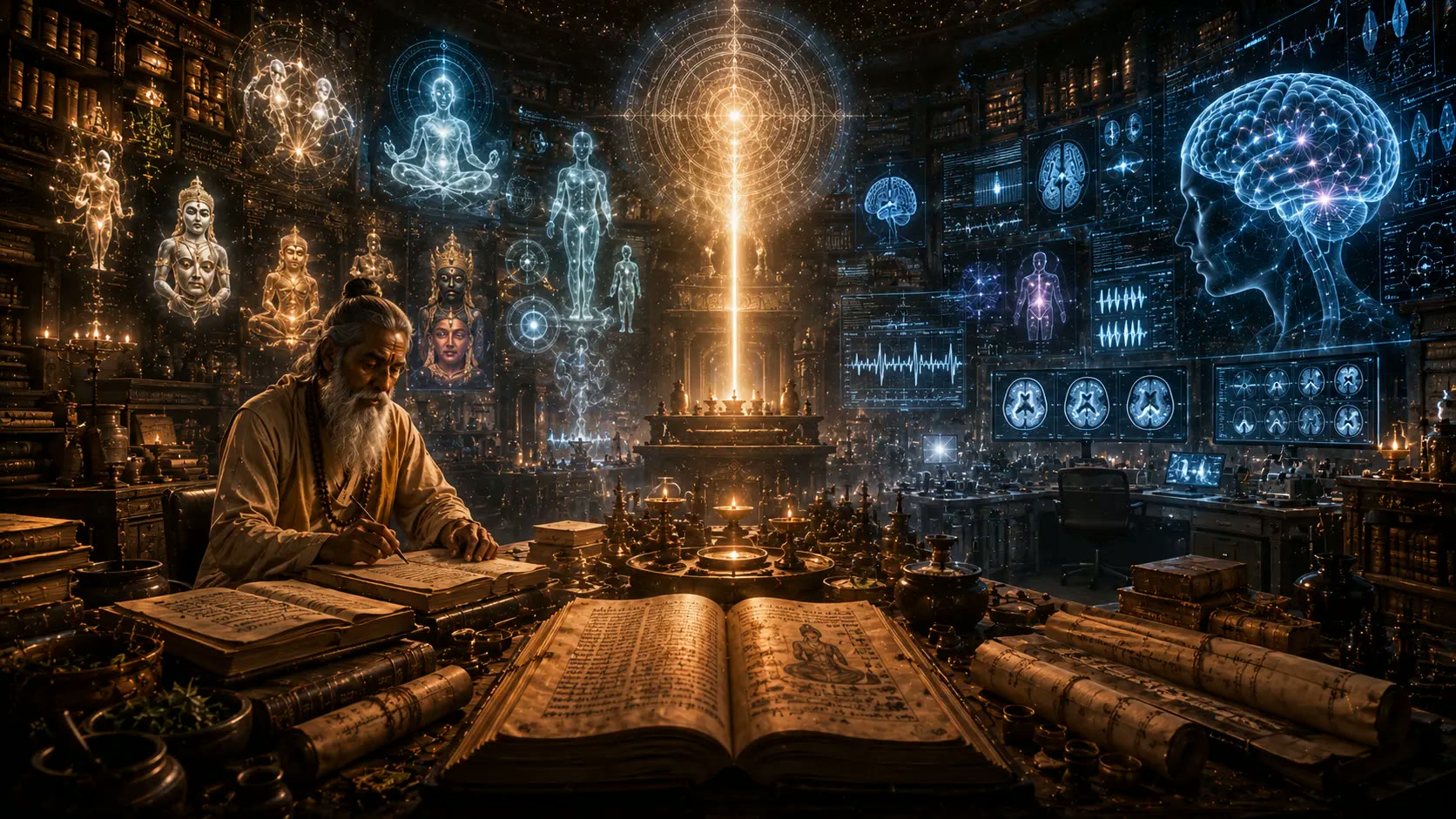
In Ayurveda, Bhutavidya is recognized as one of the eight classical branches of Ayurvedic knowledge.
Today, many people claim that Bhutavidya was merely an ancient term for mental illness. This statement is partially true, but not entirely.
Bhutavidya discusses conditions involving mental imbalance, abnormal behavior, delusions, fear, and altered states of consciousness. Modern medicine identifies many such conditions as schizophrenia, psychosis, bipolar disorder, epilepsy, or other neurological disorders.
However, classical Ayurvedic texts also contain references to Grahas, Bhutas, Pishachas, and other unseen influences. Therefore, it would not be entirely accurate to claim that Ayurveda addressed only mental illness.
Are All Paranormal Experiences Mental Disorders?
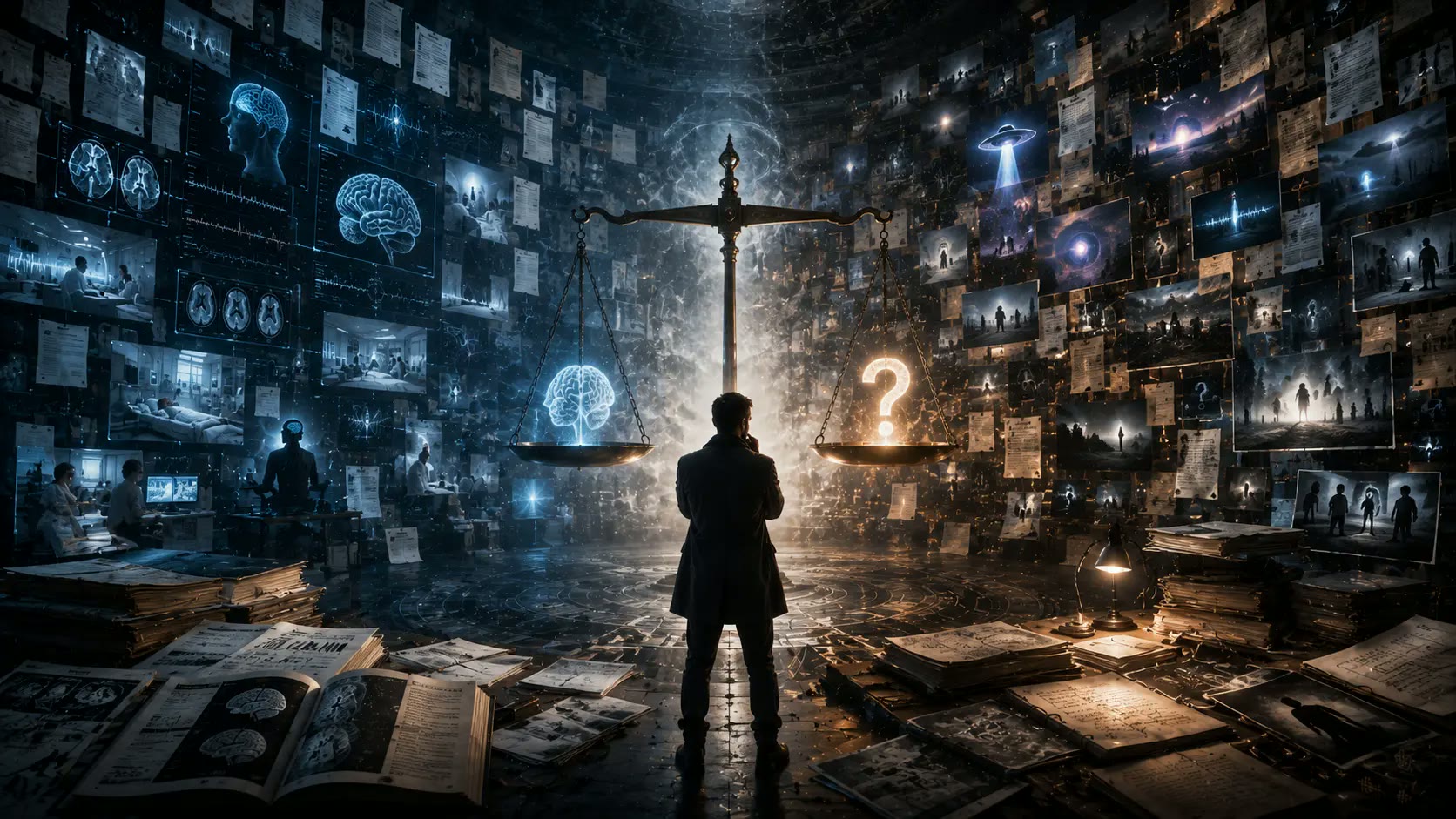
A responsible researcher would answer: neither completely yes nor completely no.
In many cases, what is described as spirit possession or haunting can ultimately be explained by mental illness, substance use, sleep disorders, social pressure, fear, suggestion, or psychological factors.
On the other hand, there also exists a vast collection of experiences, testimonies, and reports from around the world that have not yet been fully explained.
A scientific perspective does not require us to conclude that every unexplained event is supernatural. A truly scientific perspective simply states that where sufficient evidence is lacking, definitive conclusions should also be avoided.
The Real Purpose of Paranormal Research
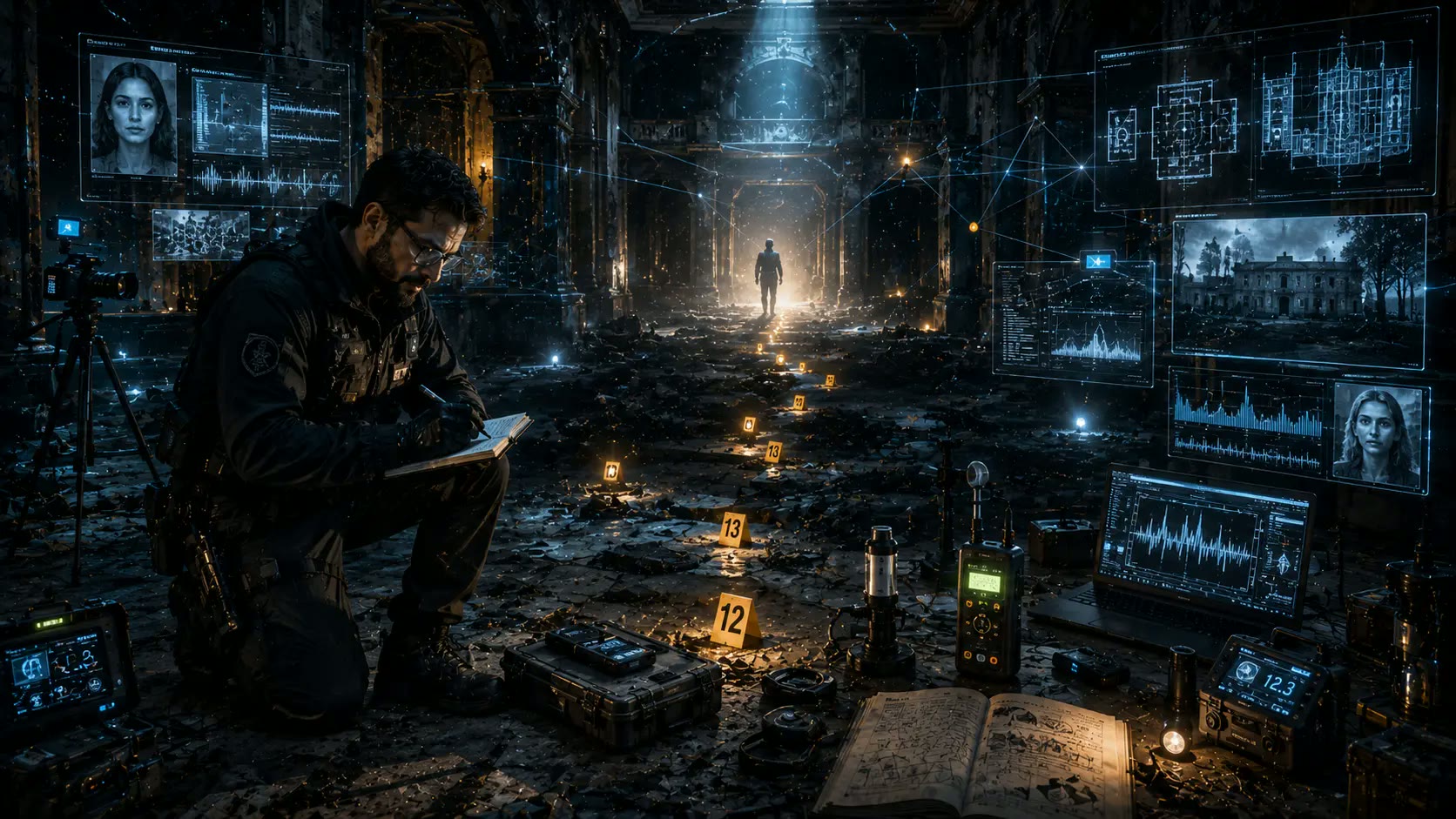
The purpose of paranormal research is not to prove the existence of ghosts. Equally important is avoiding the mistake of dismissing every unusual experience as a mental disorder without proper investigation.
The role of a genuine researcher is to gather facts, interview witnesses, examine environmental factors, study psychological aspects, utilize scientific instruments and methods, and arrive at impartial conclusions.
Bias is not science — whether that bias comes from superstition or from rigid materialism.
Our Position
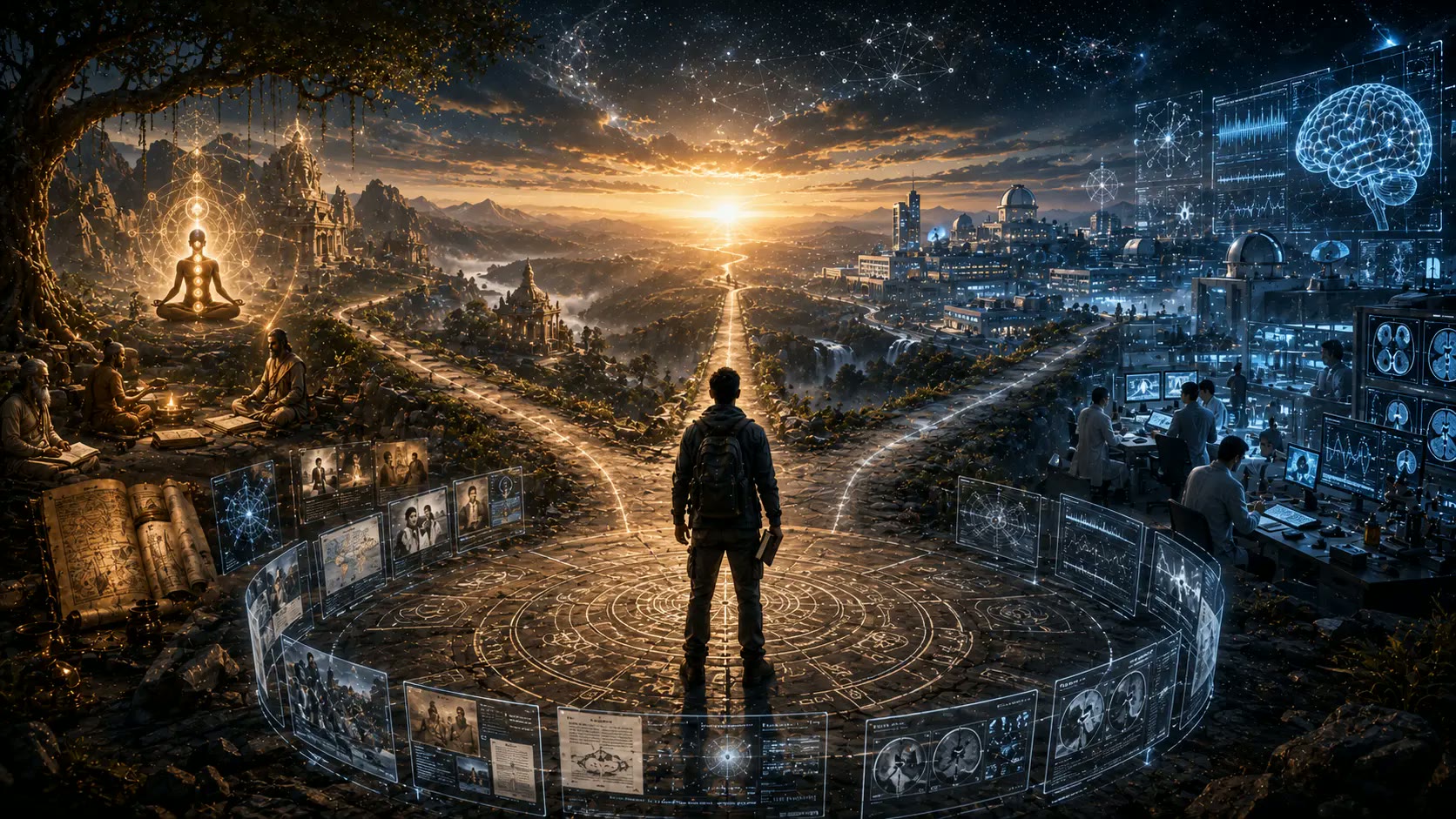
We neither assume that every unusual event is caused by ghosts nor dismiss every experience as a psychological disorder.
We believe that human consciousness remains one of the greatest mysteries facing science today. For thousands of years, Indian spiritual traditions have regarded consciousness as independent of the physical body, while modern science is still attempting to understand its true nature.
Therefore, our approach remains open-minded, research-oriented, and impartial. Where medical causes are identified, medical treatment should be prioritized. Where scientific explanations are available, they should be accepted. And where important questions remain unanswered, honest investigation should continue.
Conclusion
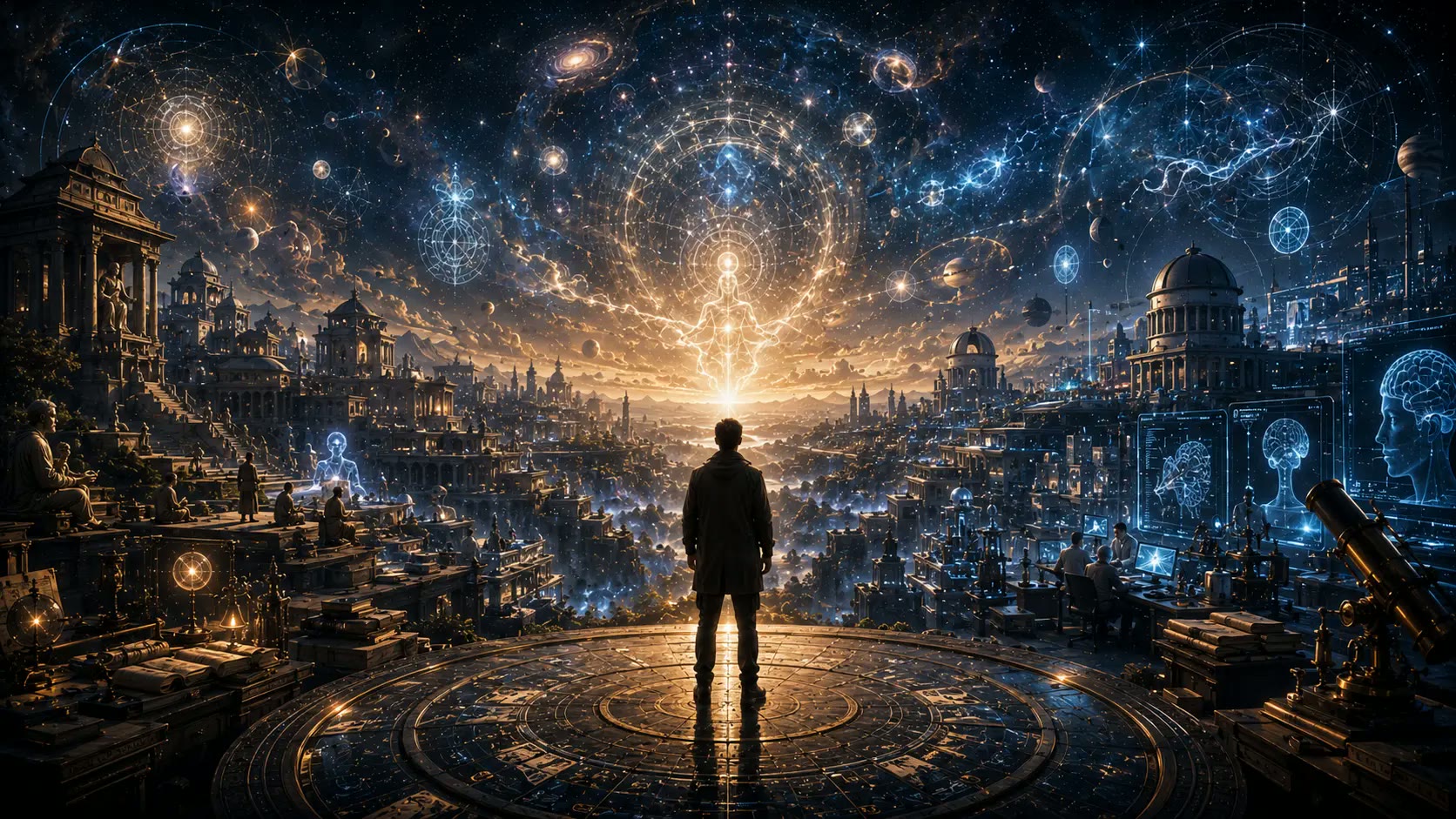
The question of ghosts and spirits is ultimately not just a question about ghosts and spirits. It is deeply connected to humanity's most profound questions regarding consciousness, the soul, death, and the nature of existence itself.
Until we can definitively understand what consciousness is and what its true nature may be, it is impossible to render a final verdict on these subjects.
For this reason, a genuine paranormal researcher maintains a balance between belief and skepticism. Because the purpose of research is not to prove a preconceived idea, but to pursue the truth wherever it may lead.